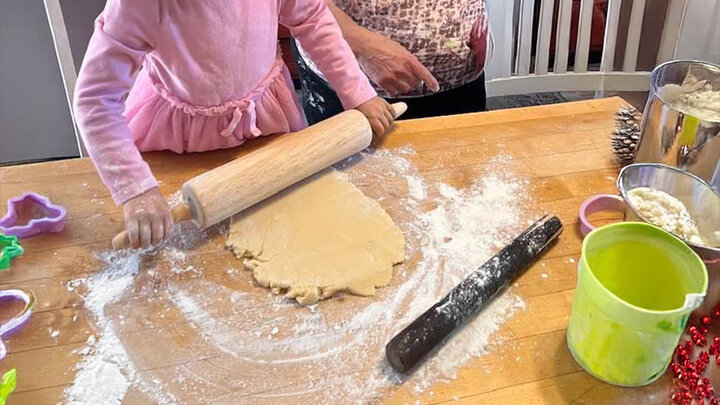
When school is out, and winter weather keeps families indoors more, the kitchen becomes the perfect place for learning, bonding, and creativity, especially as families prepare seasonal meals and gather for holiday gatherings. Including children in the kitchen offers a wide range of benefits that go far beyond preparing a meal. Kids build self-esteem as they take on meaningful age-appropriate tasks and learn necessary cooking and life skills that will serve them well into adulthood. Participating in meal preparation helps them feel proud and accomplished, while also giving families valuable opportunities to bond and spend quality time together. Children who help cook are more likely to try and enjoy new foods, and the process naturally boosts their creativity as they explore flavors, textures, and techniques. The holiday season is the ideal moment to bring children into the kitchen for any recipe, big or small.
Helping Hands: Age-Appropriate Kitchen Tasks
Children of all ages can contribute to the kitchen in meaningful ways, and even small tasks give them a sense of responsibility and accomplishment. Younger children can wipe tables, wash produce, stir batter, tear herbs, sprinkle toppings, set the table, and help unload the dishwasher. Older kids can practice measuring, reading recipes, gathering ingredients, kneading dough, or safely using basic tools under supervision, such as cutting, slicing, or dicing foods with a knife. Try holiday-inspired recipes like snowman fruit cups, whole-grain gingerbread muffins, or veggie trays shaped like wreaths or trees, or use cookie-decorating, hot chocolate, or festive side-dish projects to make cooking extra fun this season. For more recipe ideas, visit food.unl.edu and search “cooking with kids.”
One of the most essential kitchen lessons that can be taught at all ages is the importance of safety habits - washing hands, keeping counters clean, and understanding proper cooking temperatures. These skills help children develop independence and confidence in the kitchen as they grow.
Helping Kids Thrive: Creating Healthy Habits for Life
Involving kids in cooking promotes healthier eating and encourages them to try a wider variety of foods, especially fruits, vegetables, and whole grains. Let children participate in the full cooking experience. For example, at the grocery store, let your child choose a vegetable for dinner and discuss why fruits and vegetables are essential to health. Teach kids to read nutrition labels, identify foods low in saturated and trans fats and high in fiber, vitamins, and minerals, and explain the importance of limiting added sugars and sodium in processed foods. While they may think they are just helping in the kitchen, children are learning about nutrition, making decisions, and exploring new foods - lessons that promote healthy habits for life.
Beyond nutrition, cooking together can support emotional well-being, especially during the busy holiday season. Slowing down, talking through recipes, and working together can reduce stress and encourage mindfulness within a family. These shared experiences also help build long-term skills, such as cooking proficiency, healthy eating habits, and strong connections with trusted adults, which can boost self-confidence and reduce engagement in risky behaviors.
Tips to Remember When Cooking with Children
Children are still learning, growing, and developing, so it’s important to remember that an adult's kitchen skills are much more developed than a child's. When working with youth in the kitchen, keep these tips in mind:
- Have patience! Kids will move more slowly when first learning a new task or skill.
- Expect messiness. Allow extra time for clean-up and encourage children to help tidy up.
- Use small reminders for safety. Emphasize caution around hot stovetops or ovens and sharp items like chef’s knives.
- Avoid cooking in a hurry. Rushing can cause frustration for the adult and increase anxiety for the child when they want to help.
- Keep recipes and tasks age-appropriate. Simple recipes are easier for children to follow and more enjoyable to prepare. Be mindful of foods that could pose a choking hazard for young children, such as whole grapes, nuts, popcorn, or raw carrots, and modify recipes accordingly.
- Guide children through the steps. Help them read the recipe and map out the sequence needed to complete it successfully.