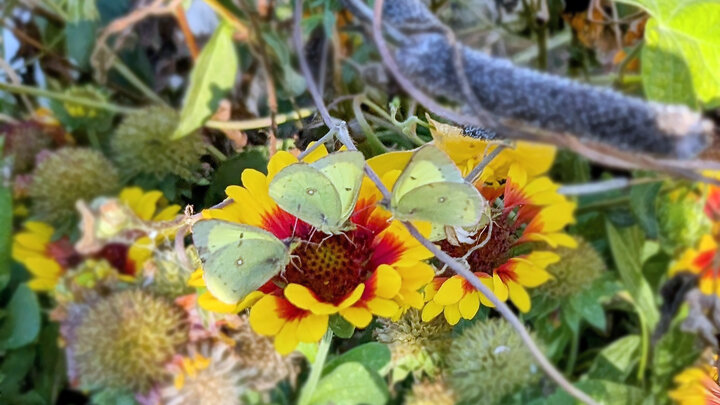
Good guy or bad guy? Believe it or not, many insects in the landscape are beneficial to our gardens. When spotting insects in your landscape, it is important to first identify if they are beneficial or harmful. Plus, the beneficial insects can eat the bad guys, helping plants to flourish.
When trying to eliminate unwanted pests in your garden, integrated pest management can be a strategy. It uses a combination of methods to manage pests while avoiding unacceptable damage and protecting human, pet, and environmental health. A proven, effective, and environmentally sensitive approach to pest management leverages all appropriate options, including cultural, mechanical, biological, and chemical controls. A tip to help control pests in your garden is to rotate your crops every 4 years, according to crop family. Otherwise, the pest populations have opportunities to build up in your garden bed.
When selecting plants for your landscape, it is important to check the tags to ensure you are purchasing plants that are both disease- and insect-resistant. Also, check the plants themselves to make sure you don't bring any unwanted pests home. By checking the tags and the plants, you will give your garden a better chance of being pest-free.
While you are getting your garden ready, be careful in prepping the ground. Many gardeners strive to grow the perfect tomato. A problem that can occur is blossom end rot. The disease is a symptom of calcium deficiency. Another cause can be over fertilization. Preventing moisture stress is important to managing the problem. Plants require at least 1 inch of water per week, especially in hot, windy weather. Plan accordingly.